7000 Houston Rd STE 35, Florence, KY 41042


Many Oakbrook patients ask the same question before their appointment: will your teeth cleaning remove all those stains Oakbrook residents commonly worry about? It is a fair question, and the honest answer is — it depends. A professional cleaning tackles certain types of discoloration very effectively. But not every stain responds to the same treatment.
Understanding the difference helps you walk into your appointment with realistic expectations. It also helps you decide whether a cleaning alone is enough or whether additional treatment might give you the smile you really want.
What a Professional Teeth Cleaning Actually Does
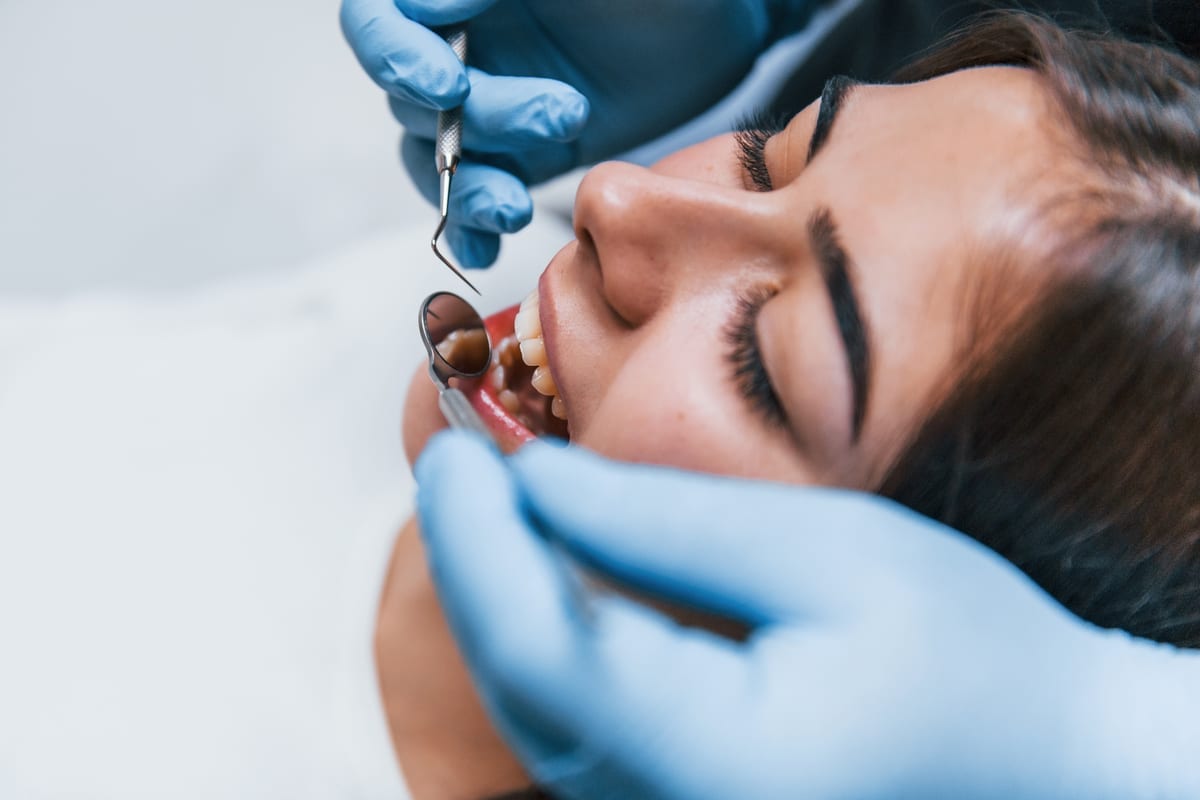
A professional teeth cleaning is more than just a quick polish. Your hygienist removes plaque and hardened tartar from the surfaces of your teeth. This buildup can dull your smile and make teeth look yellower over time.
The polishing step at the end uses a mildly abrasive paste. This paste buffs away surface-level staining caused by everyday habits. After cleaning, most patients notice their teeth look noticeably brighter.
Here is what a standard cleaning addresses:
- Surface stains from coffee, tea, and red wine
- Light tobacco staining on enamel
- Plaque and tartar that discolor teeth over time
- Food residue that brushing at home misses
However, a cleaning does not change the natural color of your enamel. It restores your teeth to their baseline shade — not a shade whiter than that.
Which Stains a Cleaning Cannot Remove in Oakbrook
Not all stains live on the surface. Dentists classify stains into two main categories: extrinsic and intrinsic. Extrinsic stains sit on the outer layer of your enamel. Intrinsic stains develop inside the tooth itself.
A professional cleaning removes most extrinsic stains. Intrinsic stains, however, require a different approach entirely. No amount of polishing will lighten discoloration that originates beneath the enamel surface.
Common causes of intrinsic staining include:
- Certain antibiotics taken during tooth development
- Fluorosis from high fluoride exposure in childhood
- Aging, which naturally darkens dentin beneath the enamel
- Tooth trauma that affects the inner pulp
- Old dental restorations showing through enamel
If you have this type of discoloration, your cleaning will still benefit your oral health. It just will not dramatically whiten those deeper stains on its own.
When Teeth Whitening Is the Right Next Step
If a cleaning leaves you wanting a noticeably brighter result, professional teeth whitening is worth considering. Whitening treatments use peroxide-based agents that penetrate enamel. They break up stain molecules at a deeper level than polishing can reach.
Professional whitening at Pearl Dental Care of Florence delivers faster and more dramatic results than over-the-counter strips. Dr. Stetson Earl can assess your specific type of staining and recommend the most effective approach. Not every case responds equally to whitening, but most patients see significant improvement.
Teeth whitening works best after a professional cleaning. Starting with clean, plaque-free surfaces allows the whitening agent to contact enamel evenly. Skipping the cleaning first can lead to patchy or uneven results.
For Oakbrook patients interested in a complete smile transformation, Cosmetic Dentistry services offer a full range of options beyond whitening alone.
What to Expect During Your Cleaning Appointment
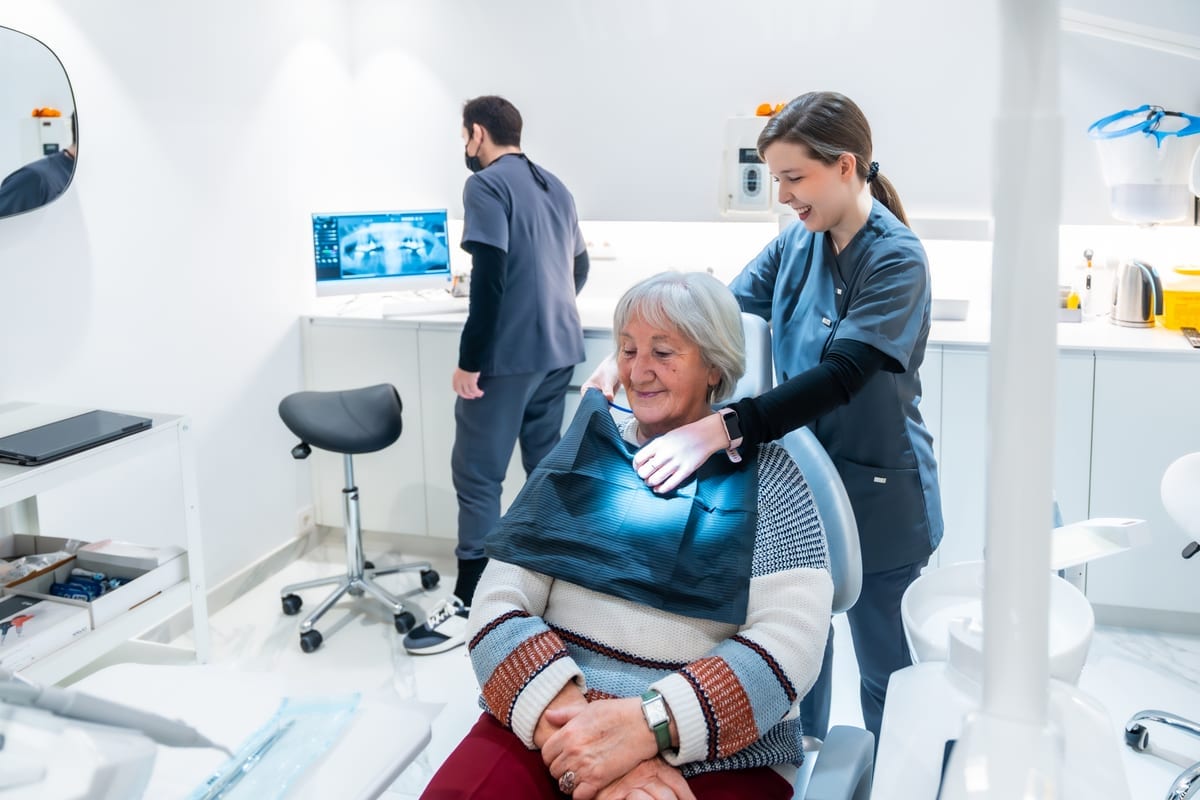
Knowing what happens during a cleaning removes a lot of anxiety. The appointment typically follows a predictable sequence. Most cleanings take between 45 minutes and one hour from start to finish.
Here is a general overview of what to expect:
- Examination: Your hygienist checks for signs of decay, gum disease, and buildup before starting.
- Scaling: Specialized tools remove tartar and plaque from above and below the gumline.
- Polishing: A rotating brush with abrasive paste buffs away surface stains.
- Flossing: Your hygienist cleans between teeth to remove any remaining debris.
- Rinse: You rinse away any remaining polish or loosened particles.
After your cleaning, your hygienist will discuss what they found. They may recommend a follow-up treatment if deeper staining or gum concerns need attention.
Keeping Your Smile Brighter Between Visits in Oakbrook
Your cleaning results last longer with good habits at home. Staining foods and drinks are hard to avoid entirely, but a few simple steps slow the process significantly. Rinsing your mouth with water after coffee or wine makes a real difference.
Brushing twice daily with a fluoride toothpaste removes surface residue before it hardens. Using a soft-bristled toothbrush protects enamel while still cleaning effectively. Flossing every day keeps debris from building up between teeth where staining often starts.
If a dental emergency ever disrupts your oral health routine, Emergency Dentistry at Pearl Dental Care of Florence is available to help Oakbrook patients get back on track quickly.
Scheduling regular cleanings — typically every six months — keeps staining manageable. Your teeth will always look their best right after a professional cleaning appointment.
Conclusion: Know What to Expect and Plan Accordingly
Will your teeth cleaning remove all those stains Oakbrook residents deal with from daily coffee, wine, and years of buildup? For surface stains, absolutely. A professional cleaning is one of the most effective tools for restoring brightness to your smile.
For deeper, intrinsic staining, a cleaning alone may not be enough. That is not a shortcoming — it simply means you may benefit from combining your cleaning with a whitening treatment or cosmetic consultation. Dr. Stetson Earl and the team at Pearl Dental Care of Florence are here to help Oakbrook patients find the right path to a healthier, brighter smile. Book Now to schedule your appointment with our team.
Frequently Asked Questions
Will a teeth cleaning make my teeth noticeably whiter?
A cleaning removes surface stains and polishes enamel, which often makes teeth look brighter. However, it restores your natural baseline color rather than whitening teeth beyond their original shade. For a noticeably whiter result, a professional whitening treatment is the more effective option.
How long do the results of a teeth cleaning last?
Results vary depending on your diet and home care routine. Most patients maintain a cleaner, brighter smile for several months after a professional cleaning. Regular six-month appointments help keep staining and tartar buildup under control over time.
Can teeth whitening be done the same day as a cleaning?
In many cases, yes. Starting whitening treatment right after a cleaning is actually ideal because the enamel surface is clean and free of plaque. Your provider at Pearl Dental Care of Florence will confirm the best timing based on your individual situation.
What causes teeth to stain so quickly after a cleaning?
Certain foods and beverages are highly pigmented and re-stain enamel quickly. Coffee, tea, red wine, and dark berries are common culprits. Rinsing with water after consuming these items and maintaining consistent brushing habits slows the re-staining process significantly.
Is there a difference between a standard cleaning and a deep cleaning for stain removal?
Yes. A standard cleaning focuses on surfaces above the gumline and includes polishing to remove stains. A deep cleaning, also called scaling and root planing, targets tartar and bacteria below the gumline. Deep cleanings prioritize gum health rather than cosmetic stain removal.