7000 Houston Rd STE 35, Florence, KY 41042

If you’re missing one or more teeth, a dental bridge can restore your smile and your confidence. Many Florence, KY patients feel nervous about the process simply because they don’t know what to expect. This step-by-step guide explains exactly what happens during your dental bridge procedure at Pearl Dental Care of Florence. Dr. Stetson Earl and his team are committed to keeping you informed and comfortable at every stage.
Step One: Your Initial Consultation and Treatment Planning in Florence
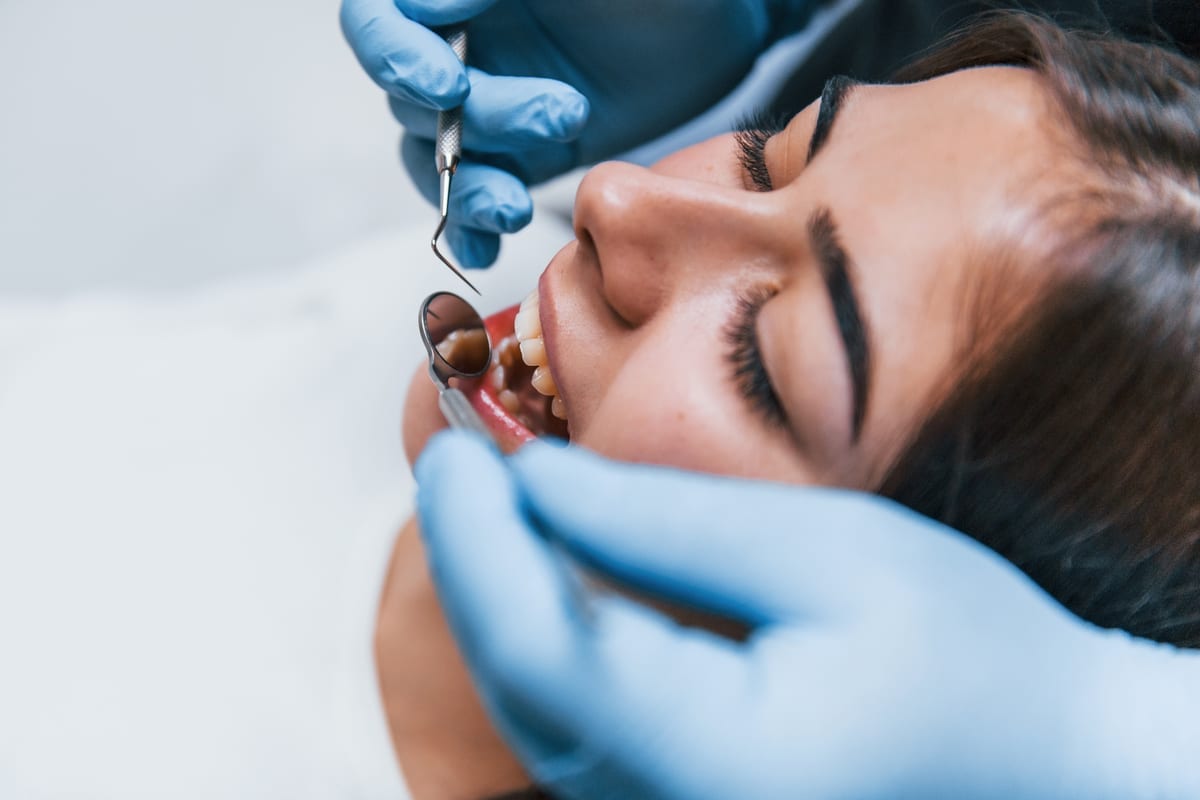
Your bridge journey begins with a thorough consultation. Dr. Earl will examine your teeth, gums, and jaw using digital X-rays and a visual exam. He evaluates whether the teeth on either side of the gap — called abutment teeth — are healthy enough to support a bridge.
During this visit, he also discusses your smile goals and answers all your questions. You’ll learn about the type of bridge that best fits your situation. Most patients leave this appointment feeling far more at ease than when they arrived.
It’s also a good time to mention any dental concerns you’ve been putting off. Issues like severe pain may warrant a referral to Emergency Dentistry Florence before bridge work begins. Addressing underlying problems first ensures the best long-term result.
Step Two: Preparing the Abutment Teeth
The next appointment involves preparing the abutment teeth. Dr. Earl gently reshapes these teeth by removing a thin layer of enamel. This creates space for the dental crowns that will anchor your bridge securely.
You’ll receive local anesthesia before this step begins. Most patients feel only mild pressure during the reshaping — no sharp pain. If you feel anxious, let the team know right away. Pearl Dental Care of Florence offers comfort-focused care tailored to every individual.
Once the teeth are shaped, Dr. Earl takes precise impressions of your mouth. These impressions are sent to a dental lab. The lab uses them to craft a custom bridge that fits your bite and matches your natural tooth color.
Before you leave, you’ll receive a temporary bridge. This protects your prepared teeth while your permanent bridge is being made. Avoid hard or sticky foods during this temporary phase to keep it in place.
Step Three: Placing Your Permanent Dental Bridge
When your custom bridge is ready — typically within two to three weeks — you return for the placement appointment. Dr. Earl removes the temporary bridge and carefully checks the fit of your permanent one. He evaluates the color match and ensures your bite feels natural.
Minor adjustments are common during this stage. Dr. Earl takes his time making small refinements until everything feels just right. Your comfort and your bite alignment both matter equally.
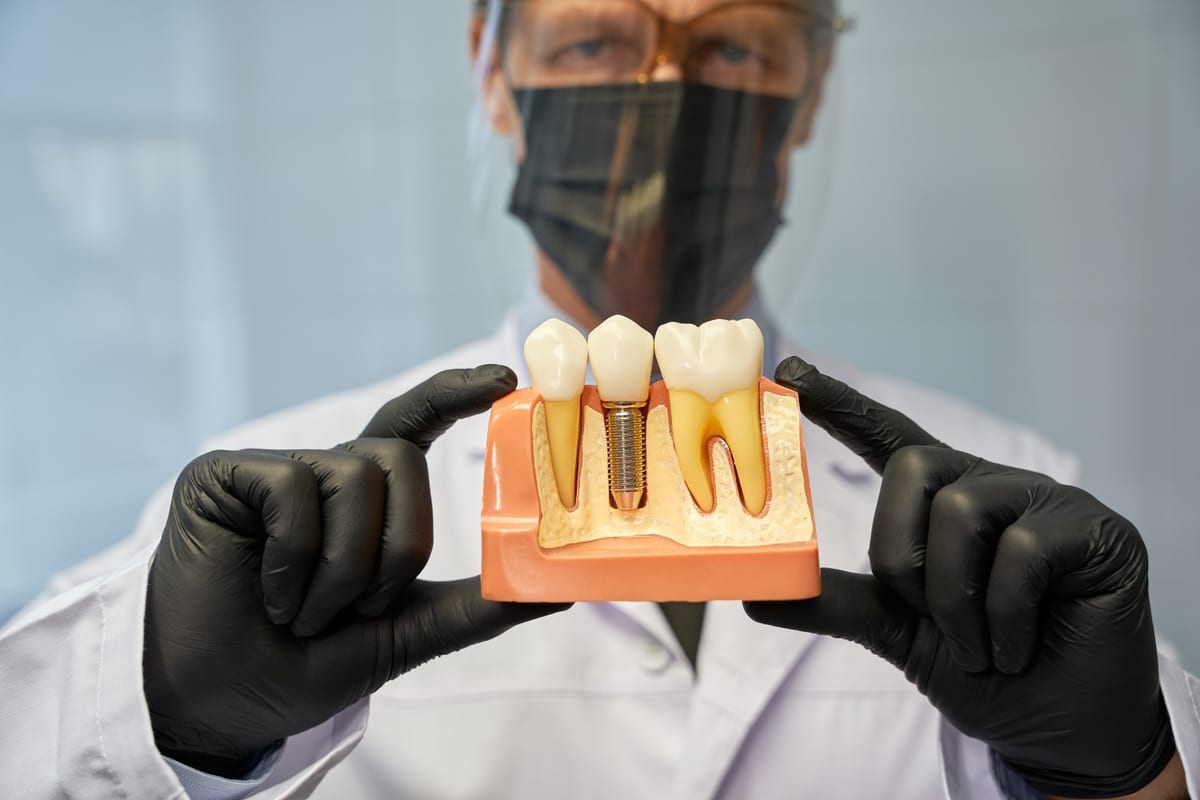
Once you’re both satisfied with the fit, he permanently cements the bridge in place. The crowns bond firmly over the abutment teeth, holding the artificial tooth — called a pontic — securely in the gap. The entire placement appointment usually takes under two hours.
Some patients wonder whether a bridge is the right choice if they have an infected tooth nearby. In those cases, Root Canal Therapy Florence may be completed first to save the abutment tooth. Healthy supporting teeth make for a stronger, longer-lasting bridge.
What to Expect After Your Bridge Procedure
A short adjustment period is completely normal after bridge placement. Your bite may feel slightly different for the first few days. Most patients adapt quickly and comfortably within a week.
Mild sensitivity to hot and cold foods is also common early on. Over-the-counter pain relievers typically manage any discomfort well. If sensitivity persists beyond two weeks, contact Dr. Earl’s office for a follow-up check.
Caring for your bridge properly extends its lifespan significantly. Here are key habits to build right away:
- Brush twice daily with a soft-bristled toothbrush
- Floss under the bridge using a floss threader or water flosser
- Avoid chewing ice, hard candies, or sticky foods
- Attend all scheduled follow-up appointments
- Wear a night guard if you grind your teeth while sleeping
With good care, a well-fitted dental bridge can last ten to fifteen years or longer. Dr. Earl will monitor it at every routine cleaning visit to ensure it stays secure and functional.
Benefits of Choosing a Dental Bridge at Pearl Dental Care of Florence
A dental bridge does more than fill a gap in your smile. It restores your ability to chew comfortably and speak clearly. Missing teeth can cause neighboring teeth to shift over time — a bridge prevents that movement entirely.
Here’s a quick summary of what makes dental bridges a trusted tooth-replacement option:
- Non-surgical procedure with no recovery downtime
- Completed in just two to three appointments
- Natural-looking results that blend with surrounding teeth
- Restores full chewing function quickly
- Prevents bone loss and tooth shifting in the gap area
- More affordable upfront compared to implants for many patients
Dr. Stetson Earl brings both clinical skill and genuine care to every bridge procedure. His goal is always to give Florence patients a result they feel proud to show off every day.
Ready to Restore Your Smile in Florence, KY?
Understanding each step of the dental bridge procedure makes the entire experience far less intimidating. At Pearl Dental Care of Florence, Dr. Earl and his team walk with you through every stage — from the first consultation to final placement. You’ll always know what’s happening and why. Book Now to schedule your appointment with our team.
Frequently Asked Questions
How long does a dental bridge procedure take from start to finish?
Most patients complete the full process in two to three appointments spread over two to four weeks. The first visit covers the consultation and tooth preparation. The final visit places the permanent bridge. The timeline can vary depending on individual needs and lab production time.
Is a dental bridge procedure painful?
The procedure itself is not painful. Dr. Earl uses local anesthesia to numb the area before reshaping your abutment teeth. You may feel mild pressure but no sharp discomfort. Some sensitivity after placement is normal and typically resolves within one to two weeks.
How long does a dental bridge last?
A well-maintained dental bridge typically lasts ten to fifteen years or more. Longevity depends on your oral hygiene habits, diet, and whether you attend regular dental check-ups. Dr. Earl monitors your bridge at every routine visit to catch any issues early.
Can I eat normally with a dental bridge?
Yes, most patients return to a normal diet once the bridge is fully settled. During the first few days, soft foods are recommended. Avoid very hard or sticky foods permanently, as they can loosen or damage the bridge over time. A water flosser helps keep the area under the bridge clean.
What if a tooth near my bridge gap needs treatment first?
Dr. Earl evaluates all nearby teeth during your consultation. If a supporting tooth has infection or decay, treatment comes first to ensure the bridge has a strong foundation. Root canal therapy or other procedures may be completed before bridge placement to protect your long-term outcome.