7000 Houston Rd STE 35, Florence, KY 41042


Missing a tooth can affect far more than your appearance. It can change how you speak, eat, and feel about your smile. At Pearl Dental Care of Florence, Dr. Stetson Earl helps patients understand whether a dental bridge is right for their smile — and what we evaluate in Florence before recommending one. This guide walks you through the candidacy process so you can feel confident going into your consultation.
What Is a Dental Bridge and Who Needs One?
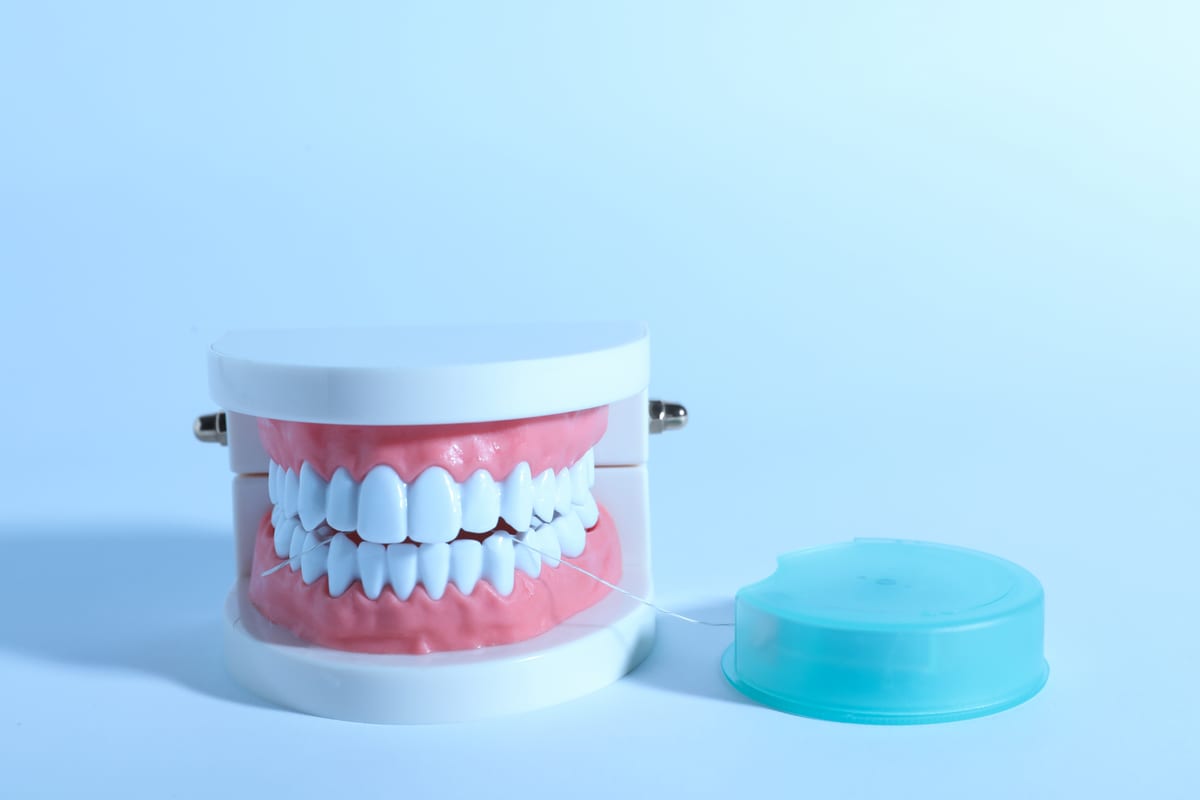
A dental bridge is a fixed restoration that replaces one or more missing teeth. It uses the teeth on either side of the gap — called abutment teeth — as anchors. A custom artificial tooth, called a pontic, sits in between those anchors.
Bridges work well for patients who have lost teeth due to decay, injury, or extraction. They restore function, protect the remaining teeth from shifting, and improve the overall appearance of your smile.
Not every patient is a candidate, though. Several clinical factors determine whether a bridge is the safest and most effective option for you specifically. Dr. Earl takes time to assess each of these before making any recommendation.
Key Factors We Evaluate in Florence Before Recommending a Bridge
Every evaluation at Pearl Dental Care of Florence begins with a thorough clinical exam. We look at your overall oral health, the condition of your surrounding teeth, and your bone structure.
Here are the primary factors Dr. Earl evaluates during your consultation:
- Health of abutment teeth: The teeth anchoring the bridge must be structurally sound and free from significant decay.
- Bone density: Adequate bone in the jaw supports long-term stability for any restoration.
- Gum health: Active gum disease can compromise both the bridge and the surrounding teeth.
- Number of missing teeth: Bridges work best when replacing one or two consecutive teeth.
- Bite alignment: How your teeth come together affects how stress is distributed across the bridge.
- Overall dental history: Past treatments, habits like grinding, and prior restorations all factor into the plan.
Digital X-rays and intraoral imaging help us gather a complete picture. These tools allow Dr. Earl to evaluate bone levels and tooth structure with precision.
When a Bridge May Not Be the Best Option
There are situations where a dental bridge may not be the right fit — and that is completely okay. Our goal is to find the best long-term solution for your specific smile, not simply recommend the most common procedure.
If gum disease is present, we must treat it before placing any restoration. Untreated periodontal disease can cause bridges to fail prematurely. In those cases, we address gum health first as part of your overall care plan.
Patients missing several teeth in a row may benefit more from a partial denture or dental implants rather than a traditional bridge. Similarly, if the abutment teeth are already heavily restored or weakened, a bridge may put too much stress on them.
In some urgent situations — such as an infection near the missing tooth site — you may need Emergency Dentistry Florence care before any restorative work begins. We make sure you are healthy and stable before moving forward with a bridge placement.
How Root Canal Treatment Connects to Bridge Candidacy
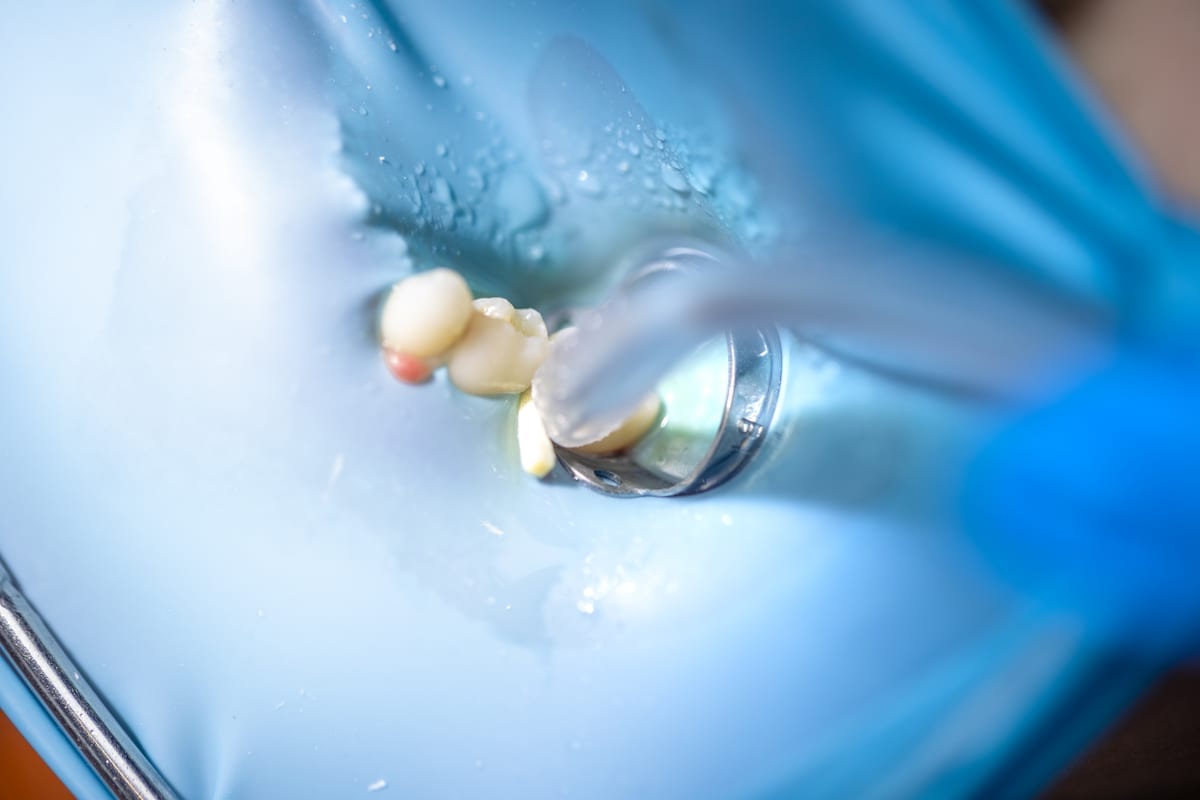
Sometimes a tooth that will serve as an abutment for a bridge has existing damage or infection. In those cases, Root Canal Therapy Florence may be recommended before placing the bridge.
A root canal removes infected tissue from inside the tooth while preserving the outer structure. This allows us to use that tooth as a stable anchor for the bridge. Without treating the infection first, the bridge could fail — and the patient could experience serious complications.
Dr. Earl will explain any preparatory steps clearly during your consultation. We never recommend additional treatment without explaining why it is necessary for your long-term outcome.
What to Expect During Your Bridge Evaluation at Pearl Dental Care
Your initial consultation is relaxed, informative, and focused entirely on your concerns. Dr. Earl listens carefully before conducting any examination.
Here is a general overview of what the evaluation process looks like:
- Medical and dental history review: We discuss your past dental work, current medications, and any concerns you have about the procedure.
- Oral examination: Dr. Earl checks the health of your gums, remaining teeth, and the site of the missing tooth.
- Digital imaging: X-rays reveal bone levels, root health, and the condition of surrounding structures.
- Treatment discussion: We walk through your options — including bridges, implants, and other alternatives — so you can make an informed choice.
- Custom treatment plan: If a bridge is appropriate, we design a plan that addresses your timeline, preferences, and oral health goals.
We never rush this process. Understanding your candidacy fully is the foundation of a successful outcome.
Benefits of Choosing a Dental Bridge When You Are a Good Candidate
For patients who qualify, a well-placed dental bridge offers meaningful advantages. It can restore your ability to chew comfortably and speak clearly. It also prevents the remaining teeth from drifting into the gap over time.
Here are some key benefits patients in Florence commonly experience:
- Restored chewing function and bite stability
- Natural-looking appearance that blends with surrounding teeth
- Prevents adjacent teeth from shifting out of alignment
- Fixed restoration — no removal required like a denture
- Relatively quicker treatment timeline compared to implants
- Durable results that can last many years with proper care
Of course, every patient’s situation is unique. What works well for one person may not be the best path for another. That is why the evaluation process at Pearl Dental Care of Florence is so thorough.
Conclusion: Your Smile Deserves a Thoughtful Evaluation
A dental bridge can be a life-changing solution for the right candidate. It restores function, protects your remaining teeth, and gives you a natural-looking smile you can feel good about. Dr. Stetson Earl and the team at Pearl Dental Care of Florence are committed to helping you understand your options clearly — without pressure or confusion.
Whether you are just beginning to explore your options or are ready to take the next step, we are here to guide you. Book Now to schedule your appointment with our team.
Frequently Asked Questions
How do I know if I am a good candidate for a dental bridge?
Good candidates typically have one or two missing teeth, healthy gums, and strong adjacent teeth to support the bridge. Dr. Earl evaluates your bone density, gum health, and bite alignment during your consultation to determine the best option for your specific situation.
How long does a dental bridge last?
With proper care, a dental bridge can last 10 to 15 years or longer. Regular cleanings, flossing under the bridge, and routine checkups all play a role in extending the lifespan of your restoration.
Is getting a dental bridge painful?
The procedure is performed under local anesthesia, so you should feel little to no discomfort during treatment. Some sensitivity in the area is normal for a few days after placement, but this typically fades quickly.
Can gum disease disqualify me from getting a bridge?
Active gum disease must be treated before a bridge can be placed. However, once your gum health is restored through periodontal care, you may become a suitable candidate. Dr. Earl will create a plan to address gum health as part of your overall treatment.
What is the difference between a dental bridge and a dental implant?
A dental bridge is fixed to adjacent natural teeth and does not require surgery. A dental implant is surgically placed into the jawbone and acts as an independent tooth root. Both can replace missing teeth, but the best option depends on your bone health, budget, and overall dental goals. Dr. Earl will discuss both options with you during your evaluation.