7000 Houston Rd STE 35, Florence, KY 41042

Many people focus on brushing and whitening their teeth. But gum health often gets overlooked. Understanding what happens to your smile when you skip gum care in Florence can change how you think about your daily routine. Healthy gums are the foundation of a healthy smile — and neglecting them leads to consequences that go far beyond bad breath.
At Pearl Dental Care of Florence, Dr. Stetson Earl sees the effects of untreated gum disease regularly. The good news is that most of these outcomes are preventable. This article breaks down what happens when gum care is skipped and why acting early makes all the difference.
Why Gum Health Is Central to Your Overall Smile in Florence
Your gums do more than frame your teeth. They hold your teeth in place and protect the underlying bone. When gum tissue becomes inflamed or infected, that support system starts to break down. The damage can happen slowly — which is why so many patients don’t notice it at first.
Gum disease begins with a buildup of plaque along the gumline. If plaque is not removed through regular cleanings, it hardens into tartar. Tartar irritates the gum tissue and triggers an immune response. Over time, that inflammation damages both the gums and the jaw bone beneath them.
Florence residents with busy schedules often skip dental appointments. But even a single missed cleaning can allow gum problems to progress. Early-stage gum disease, called gingivitis, is fully reversible. Advanced gum disease, called periodontitis, is not.
What Happens to Your Smile When You Skip Gum Care Florence — Stage by Stage
Gum disease progresses in predictable stages. Knowing each stage helps you understand why early treatment matters so much.
- Gingivitis: Gums appear red and swollen. They may bleed when you brush. This stage is reversible with professional cleanings and improved home care.
- Early Periodontitis: Pockets form between the gums and teeth. Bacteria begin attacking the bone. Patients often feel no pain at this stage.
- Moderate Periodontitis: Bone loss becomes measurable on X-rays. Teeth may shift or feel slightly loose. Gum recession becomes visible.
- Advanced Periodontitis: Significant bone loss occurs. Teeth may require extraction. The infection can spread beyond the mouth.
Each stage is harder to treat than the one before it. Skipping periodontal care doesn’t pause the disease — it allows it to advance to the next level.
How Skipping Gum Care Affects Your Teeth and Jawbone
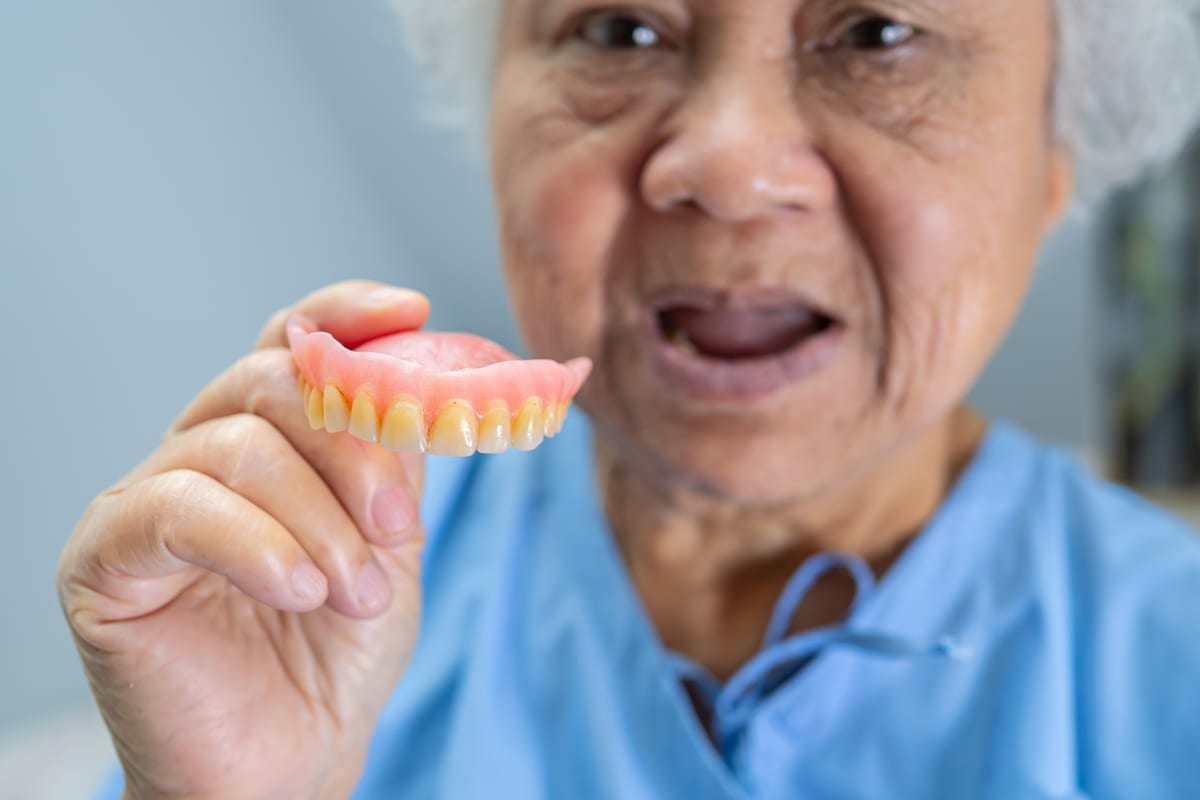
Gum disease and tooth loss are closely connected. As periodontitis progresses, the bone that anchors your teeth deteriorates. Teeth that once felt secure begin to loosen. Eventually, extraction becomes the only option.
Tooth loss then triggers a second problem: bone shrinkage. When a tooth root is no longer present, the jawbone slowly resorbs. This changes your facial structure and makes future dental work more complex. Patients who want dental implants after tooth loss often need bone grafting first.
The domino effect is significant. One untreated gum infection can lead to extraction, bone loss, and the need for more extensive restorative care. Addressing gum disease early is far simpler and less costly than treating its downstream effects.
In some cases, advanced infection reaches the point where Emergency Dentistry Florence becomes necessary. Severe dental abscesses linked to periodontitis can cause rapid swelling and intense pain. These situations require immediate attention to stop the spread of infection.
The Connection Between Gum Disease and Your Body’s Health
Research increasingly links periodontal disease to systemic health conditions. The bacteria involved in gum infections can enter the bloodstream. Once there, they contribute to inflammation throughout the body.
Studies have connected untreated gum disease to conditions such as:
- Heart disease and arterial inflammation
- Type 2 diabetes complications
- Respiratory infections
- Adverse pregnancy outcomes
- Cognitive decline in older adults
This doesn’t mean gum disease directly causes these conditions. But it does mean that oral health and whole-body health are deeply interconnected. Taking care of your gums in Florence is not just about your smile — it’s about your quality of life.
Dr. Stetson Earl takes a whole-health approach to periodontal care. Identifying and treating gum disease early supports both your oral health and your broader wellbeing.
When Gum Infections Spread: The Role of Root Canal Therapy
Some patients discover their gum issues only after tooth pain becomes severe. Advanced infection doesn’t always stay in the gum tissue. It can travel into the root of a tooth and eventually reach the inner pulp.
When that happens, Root Canal Therapy Florence may become necessary to save the tooth. A root canal removes infected tissue from inside the tooth. It stops the spread of infection and allows the tooth to be preserved.
This procedure is far more comfortable than most patients expect. Modern techniques mean most root canal treatments feel similar to getting a filling. But ideally, gum disease is caught before it reaches this point.
Consistent periodontal care is the best way to prevent infections from ever progressing this far. Regular cleanings and periodontal evaluations give Dr. Earl the chance to catch problems early.
What Periodontal Care at Pearl Dental Care of Florence Looks Like
Patients often wonder what getting serious about gum care actually involves. The process is straightforward and tailored to your specific needs.
A typical periodontal care plan at our Florence practice may include:
- Comprehensive periodontal evaluation: Measuring pocket depths and assessing bone levels with X-rays.
- Scaling and root planing: A deep cleaning that removes tartar below the gumline and smooths root surfaces.
- More frequent maintenance visits: Patients with a history of gum disease often benefit from cleanings every three to four months.
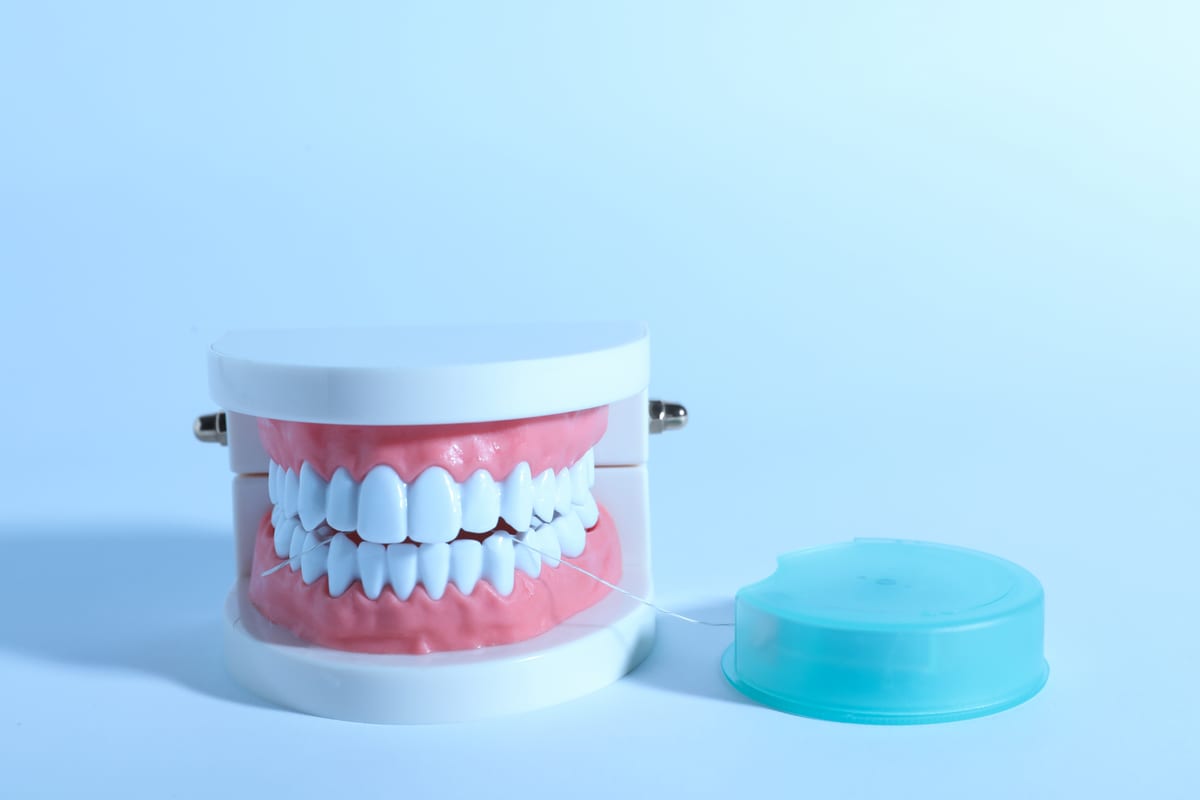
- Home care guidance: Recommendations for flossing, brushing technique, and adjuncts like antimicrobial rinses.
The goal is always to stabilize the condition and prevent further progression. Many patients with early to moderate gum disease achieve excellent long-term outcomes with consistent care.
Taking Action for Your Gum Health in Florence
Gum care isn’t optional — it’s essential. The longer periodontal disease goes untreated, the harder it becomes to restore what was lost. Tooth loss, bone deterioration, and systemic health impacts are all avoidable with timely, consistent care.
Dr. Stetson Earl and the team at Pearl Dental Care of Florence are here to help you understand your gum health and create a plan that works for your life. Whether you’re noticing early warning signs or haven’t had a cleaning in years, it’s never too late to start protecting your smile.
Your gums support everything else in your mouth. Give them the attention they deserve. Book Now to schedule your appointment with our team.
Frequently Asked Questions
What are the early signs of gum disease I should watch for?
Common early signs include gums that bleed when you brush or floss, red or swollen gum tissue, and persistent bad breath. Some patients also notice their gums pulling away from the teeth. If you experience any of these symptoms, it’s a good idea to schedule a periodontal evaluation as soon as possible.
Can gum disease go away on its own without treatment?
Gingivitis, the earliest stage of gum disease, can be reversed with improved oral hygiene and professional cleanings. However, more advanced periodontitis cannot reverse itself. Without treatment, it will continue to progress and cause lasting damage to your gums and jawbone. Professional care is essential to stop the disease from advancing.
How often should I have my gums checked in Florence?
Most patients benefit from a periodontal evaluation at every routine dental visit, which is typically every six months. Patients who have been treated for gum disease may need more frequent visits — often every three to four months — to keep the condition stable. Dr. Stetson Earl can recommend the right schedule based on your specific situation.
Is gum disease treatment painful?
Modern periodontal treatments are much more comfortable than many patients expect. Deep cleaning procedures like scaling and root planing are performed with local anesthesia to minimize discomfort. Most patients tolerate the procedure well and experience only mild sensitivity in the days following treatment.
What happens if I wait too long to treat gum disease?
Delaying treatment allows gum disease to advance through increasingly destructive stages. This can result in significant bone loss, loose teeth, and eventually tooth extraction. Once bone and gum tissue are lost, they cannot fully regenerate on their own. Early intervention is always the better option for preserving your natural teeth and your smile.