7000 Houston Rd STE 35, Florence, KY 41042

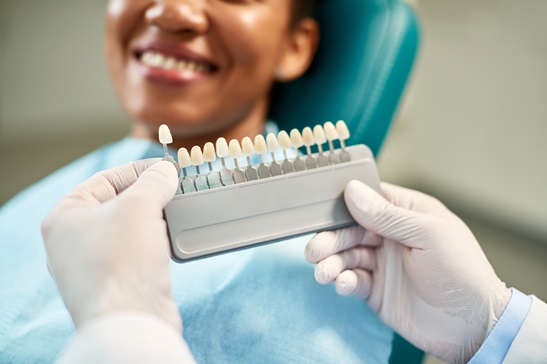
Are you considering veneers to enhance your smile? Whether you’re dealing with minor chips or major discoloration, dental veneers are a popular choice for a quick, lasting smile makeover. Porcelain and composite veneers are two of the most common options available, each offering distinct advantages.
In this blog, we’ll compare both types of veneers to help you make an informed decision about which one suits your needs best.
What Are Porcelain Veneers?
Porcelain veneers are thin shells of ceramic material designed to cover the front surface of your teeth. These custom-made shells are bonded to your teeth to create a natural-looking and durable solution for enhancing your smile.
One of the biggest benefits of porcelain veneers is their ability to closely mimic the appearance of natural tooth enamel. The material is translucent, which allows light to pass through, creating a lifelike effect that enhances the beauty of your smile.
Benefits
Porcelain is highly durable and resistant to staining. Once applied, porcelain veneers maintain their color over time, even with coffee, tea, or wine consumption. They also offer a smooth surface that resists plaque buildup, making them easier to maintain compared to composite veneers.
Ideal Candidates
Porcelain veneers are ideal for patients who need a more permanent solution to significant cosmetic issues, such as discoloration, chips, cracks, or slight misalignment. They are also best for individuals looking for a long-term cosmetic enhancement.
Longevity
Porcelain veneers are designed to last between 10 and 15 years with proper care. Their durability makes them a great option for those seeking a long-lasting solution to their cosmetic dental concerns.
What Are Composite Veneers?
Composite veneers, on the other hand, are made from a tooth-colored resin material that is sculpted directly onto your teeth. Unlike porcelain, composite veneers are applied in a single visit and can be customized to match the shape and color of your natural teeth.
Benefits
One of the main benefits of composite veneers is their affordability. Composite veneers are generally less expensive than porcelain, making them a more accessible option for patients on a budget. The application process is quicker, and since they are directly applied to the teeth, they can be shaped to fill gaps or fix small imperfections more easily than porcelain veneers.
Ideal Candidates
Composite veneers are ideal for patients with minor cosmetic concerns, such as small chips or gaps between teeth. They can also be a good option for those who want a quick smile makeover but don’t want to invest in the costlier porcelain veneers.
Longevity
Composite veneers have a shorter lifespan than porcelain, typically lasting 5-7 years with proper care. While they are durable, they are more prone to staining and chipping, which may require more frequent repairs or replacements.
Key Differences Between Porcelain and Composite Veneers
Aesthetic Quality
Porcelain veneers are often considered the superior option for a natural appearance. The translucent nature of porcelain closely mimics the light-reflecting qualities of natural tooth enamel. Composite veneers are customizable but may not achieve the same high level of natural aesthetics, as they can lack the depth and luster of porcelain.
Durability and Strength
Porcelain veneers are significantly more durable than composite veneers. They are highly resistant to chipping and cracking, while composite veneers can wear down more quickly, especially in people who grind their teeth. Composite veneers may also stain over time, especially if you frequently consume staining foods and beverages.
Cost
Porcelain veneers are generally more expensive than composite options due to their durability, manufacturing process, and longer lifespan. Composite veneers are more affordable, making them a popular choice for patients looking for a less expensive alternative.
Application Process
Porcelain veneers typically require multiple visits to the dentist. The process involves taking impressions, preparing the teeth, and then bonding the porcelain shells. Composite veneers, however, can often be applied in just one visit, making them more convenient for patients with busy schedules.
Maintenance
Both types of dental veneers in Florence require regular dental care, including brushing, flossing, and routine visits to the dentist. However, porcelain veneers are easier to maintain since they are less prone to staining and require fewer repairs. Composite veneers, on the other hand, may need more frequent touch-ups or replacements due to their vulnerability to chipping and staining.
Factors to Consider When Choosing Veneers
Budget
One of the most significant factors in choosing between porcelain and composite veneers is cost. Porcelain veneers tend to be more expensive due to their durability and superior aesthetic qualities. Composite veneers, while more affordable, may require more maintenance or replacements in the future, making the long-term cost potentially higher.
Treatment Goals
If you’re seeking a long-term, permanent solution to significant cosmetic concerns, porcelain veneers may be your best option. On the other hand, if you’re looking for a quick, budget-friendly fix for minor imperfections, composite veneers can offer a temporary solution with the option for future updates.
Lifestyle
Your lifestyle habits can also influence your decision. If you regularly drink coffee, tea, or wine, or if you smoke, porcelain veneers may be a better option because they are more resistant to staining. Additionally, if you tend to grind your teeth at night, porcelain veneers’ strength and durability will hold up better than composite.
Dentist’s Recommendation
Always consult with your dentist to make the best decision based on your unique dental needs. They can evaluate the condition of your teeth and guide you on which dental veneers in Florence are best suited for your lifestyle and cosmetic goals.
Pros and Cons of Porcelain and Composite Veneers
Porcelain veneers offer superior durability, natural aesthetics, and stain resistance, but they come with a higher price tag and require multiple visits to the dentist. They are best for patients looking for a long-term solution to significant cosmetic concerns.
Composite veneers are more affordable and quicker to apply, but they are less durable, more prone to staining, and may need more frequent repairs. They are best suited for patients with minor imperfections or those seeking a temporary solution.
Choosing between porcelain and composite veneers comes down to your specific cosmetic goals, budget, and lifestyle. Porcelain veneers provide a long-lasting, natural-looking solution, while composite veneers offer an affordable, quicker option for less extensive cosmetic issues. Regardless of which type you choose, it’s essential to consult with a trusted dentist to help guide you in making the best decision for your smile.
If you’re ready to enhance your smile, schedule a consultation with Pearl Dental Care today. Our team of experienced professionals will help you decide on the best veneer option for your needs and guide you through the process for a beautiful, confident smile.
Ask Anything About Dental Veneers
How long does it take to get composite veneers?
Composite veneers can be applied in a single visit, making the process quicker compared to porcelain veneers.
Are porcelain veneers more durable than composite veneers?
Yes, porcelain veneers are more durable and less likely to chip or crack compared to composite veneers.
Can I eat normally with porcelain veneers?
Yes, porcelain veneers are durable and allow you to eat normally, but it’s best to avoid hard or sticky foods that could damage them.
Are composite veneers a good choice for people with sensitive teeth?
Composite veneers can work for those with sensitive teeth but may not provide the same long-term protection as porcelain veneers.
Which veneers are better for someone on a budget?
Composite veneers are generally more affordable than porcelain veneers, making them a better option for those on a budget.