7000 Houston Rd STE 35, Florence, KY 41042

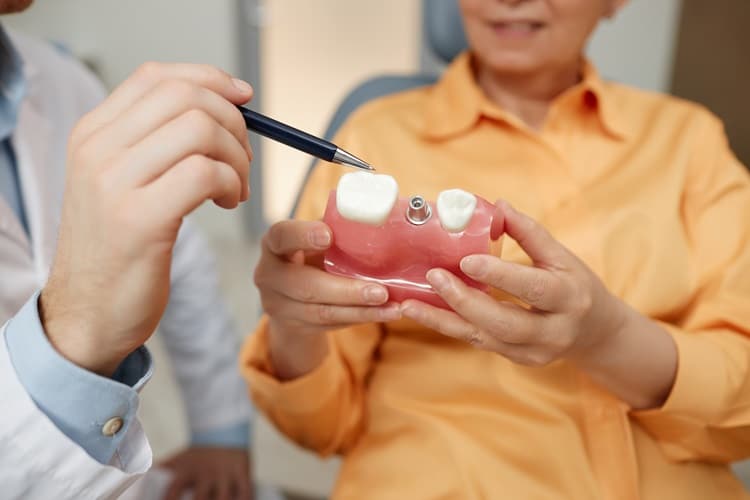
Do you have a hard time chewing or eating crunchy or hard foods, thinking that your teeth don’t feel strong enough? That could be a sign that your current bite isn’t functioning as it should. Being able to chew well is very important for both nutrition and comfort. In this blog, we will outline how tooth replacement options can restore proper chewing, making it easier to eat daily.
Why Proper Chewing Matters More Than You Think
Chewing is the first part of digesting food. When your food isn’t broken down adequately, your stomach has to work harder. When you don’t chew well, this can lead to:
- Poor digestion
- Unequal pressure on remaining teeth
- Discomfort in the jaws over time
- Limited options of food available to you
Many people in the Florence area, especially those who enjoy restaurants near Florence Mall or grabbing meals on the go elsewhere, don’t fully appreciate how much chewing contributes to their overall health until they can no longer chew food well.
What Happens When You Lose a Tooth
When you have one or more missing teeth, there can be an effect on your bite. Even losing one tooth can create an imbalance in your mouth.
- Nearby teeth may shift
- Bite pressure becomes uneven
- Jawbone may begin to shrink over time
All of these factors will negatively affect how you chew and how comfortable you are chewing in the future.
How Implants Restore Chewing Function
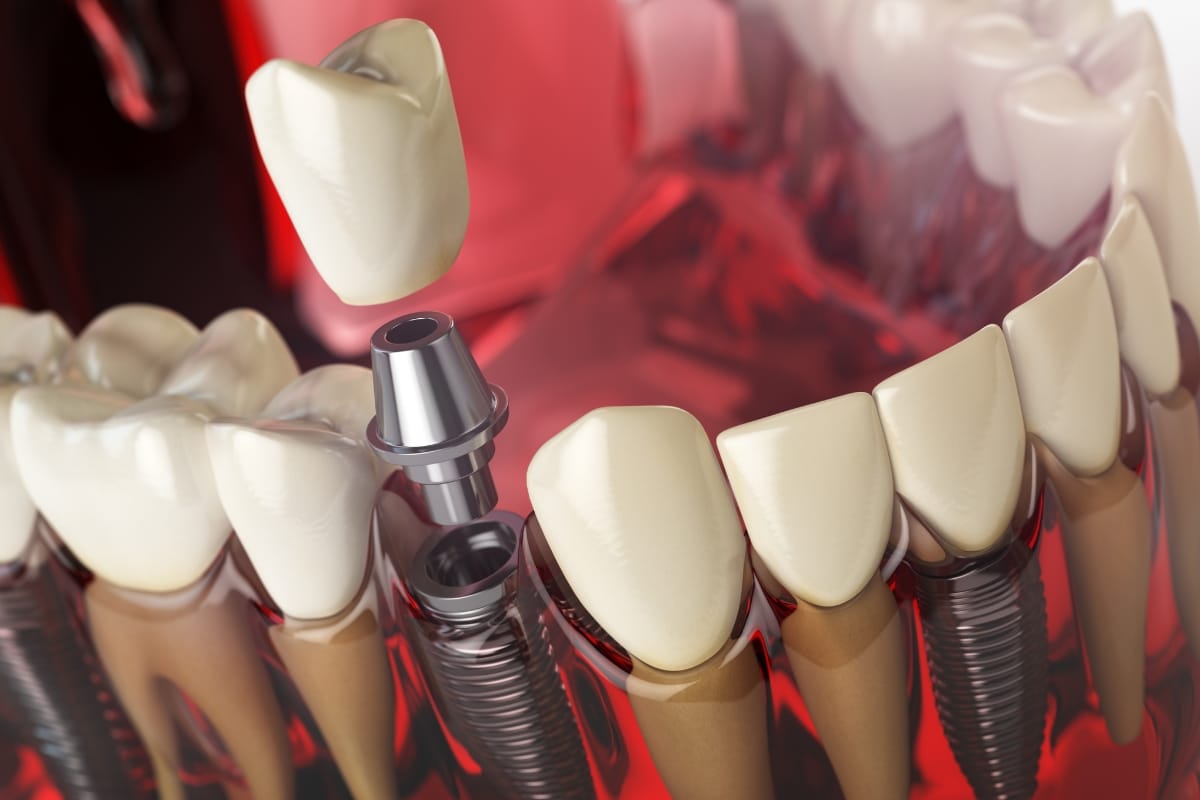
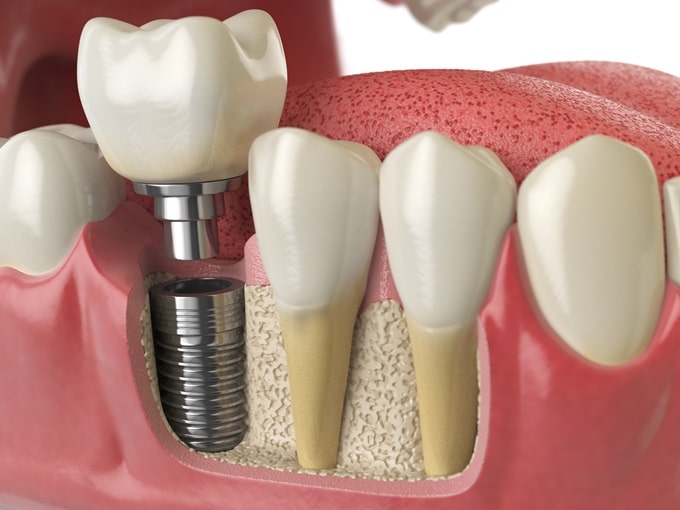
Dental implants in Florence are designed to replace the entire structure of a missing tooth, from the root to the crown. An implant provides a stable base that functions much like a normal tooth.
Unlike many removable dental prostheses (such as dentures), implants do not move when you bite or chew. Because they are securely anchored in the jawbone, you do not have to worry about an implant moving during eating.
After dental implants have been placed and healed, they work to distribute chewing force to all of your teeth evenly.
How Implants Improve Everyday Eating
When your teeth work together properly, eating becomes easier and more comfortable.
Key benefits include:
- Better bite strength: You can chew tougher foods, such as vegetables or meat, more effectively.
- Improved stability: No slipping or shifting while eating.
- Balanced pressure: Reduces strain on surrounding teeth.
- Natural function: Feels closer to real teeth compared to other replacements.
This means you can return to a more normal eating routine without constant adjustments.
How Implants Support Your Jawbone
The way dental implants interact with your jawbone is a major benefit. When you lose a tooth, the bone in the area of the tooth starts to shrink because it is no longer being stimulated. Implants will help to stop this from happening. Dental implants in Florence provide:
- Bone integration with the implanted teeth
- Long-term oral structures support
- Alignment of the adjacent teeth
This type of support will directly affect your ability to chew food over the duration of your dental implants.
Dental Implant Vs Other Tooth Replacement Products
Not all types of tooth replacement products provide the same ability to chew food properly.
Dentures:
- Can wiggle when eating food
- Reduce bite strength.
- Need adjustment regularly.
Bridges:
- Depends on adjacent teeth
- Do not support the jawbone directly
Implants:
- Stable and secure
- Good bite strength
- Support the health of the jawbone
This is why you will see implants recommended for restoring chewing ability.
Who Can Benefit from Implant Treatment
Implants might be suitable for you if:
- You have one or more missing teeth
- You have difficulty chewing various foods
- You are experiencing shifting teeth or changes in your bite
- You want a long-lasting solution for replacing your teeth
Because each person’s needs are unique, it is important to evaluate your specific case before developing a treatment plan.
Process of Treatment
The treatment of implants is a step-by-step process that ensures a safe, successful, long-term outcome for the patient. The general course through the process of treatment involves these steps:
- The initial evaluation and planning of your treatment
- The placement of the implant post in the jawbone
- The healing period, allowing for the bone to fuse with the implant
- The placement of the final crown on the implant.
The duration of each step of the treatment process varies by person, but the end goal of each procedure is to provide the patient with a stable, functional restoration.
Tips to Help Maintain Your Implant’s Long-Term Success
Taking care of an implant is similar to caring for natural teeth.
- Brushing and flossing your implant daily
- Attending regular dental examinations with your dental team
- Avoiding excessive or hard chewing force on your implant
Creating good habits will help ensure that the tissues surrounding your implant remain healthy and support long-term chewing and eating.
Getting Your Comfort Back While Eating Every Day
Once your chewing function returns to normal, your life will return to normal, and you will not have to think about whether or not to eat, as well as the foods you are going to eat.
Pearl Dental Care specializes in helping patients restore proper function with a long-lasting solution for comfort and stability.
Take a Step Toward Better Chewing and Comfort
If eating has become difficult or uncomfortable, it may be time to explore your options. Restoring missing teeth with dental implants in Florence can improve your chewing and support your overall oral health.
Schedule a consultation with Pearl Dental Care to learn how you can regain comfort and function in your daily routine.
Common Questions People Ask
1. Can dental implants really improve chewing ability?
Yes, implants provide a stable structure that mimics natural teeth. This allows better bite force and balanced pressure, improving how effectively you chew different types of food.
2. How long does it take to adjust to dental implants?
Most people adapt quickly once healing is complete. The implant feels natural over time, and chewing becomes more comfortable as you regain confidence in your bite.
3. Are implants stronger than natural teeth?
Implants are designed to be durable and stable. While they are not identical to natural teeth, they provide strong chewing support when properly maintained.
4. Can I eat normally after getting implants?
After the healing phase, most patients can return to a normal diet. Hard and crunchy foods can usually be eaten without discomfort or movement.