7000 Houston Rd STE 35, Florence, KY 41042

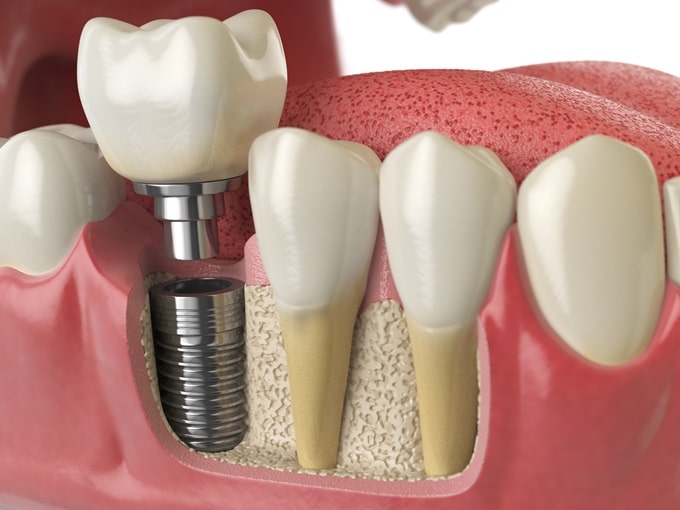
Dental Implants i have become an increasingly popular and reliable means of replacing missing teeth. They provide a natural and long-lasting look. Although it offers long-term rewards, recovery is a critical aspect of the road to success. Healing after dental implant surgery involves several stages, and it’s essential to follow your dentist’s guidance for optimal recovery. This may take a few months, but with proper care, you can get a functional and beautiful smile at the end of the day.
In today’s post, we are going to guide you in the recovery timeline, breaking down each phase and what to expect as it all comes together. If you’re in Florence, being aware is going to be crucial to your experience of having dental implants put in.
Immediate Aftercare- The First Few Days
What to Expect Immediately After Surgery
The first few days after your dental implant surgery are critical for proper healing. Expect some swelling, discomfort, and bleeding around the implant site. These side effects are normal but should subside with proper care.
Your dentist will provide specific instructions, including prescribed pain medications to manage discomfort. It’s important to follow these directions closely to avoid complications and ensure a smoother recovery.
Key Tips for the First 48 Hours
- Ice Packs for Swelling: Applying an ice pack to the treated area helps reduce swelling and manage pain. Do this in 15-minute intervals during the first 24 hours.
- Resting and Avoiding Strenuous Activity: Give your body the rest it needs. Avoid any heavy lifting or strenuous activities during the first couple of days.
- Hydration and Soft Foods: Drink plenty of water, but avoid using straws. Stick to soft foods like mashed potatoes, yogurt, or soups during the initial recovery phase.
By following these key steps, you’ll be on track for a smooth recovery after getting dental implants in Florence and minimize the risk of any complications.
Week 1- Early Recovery Phase
Healing Milestones in the First Week
During the first week of recovery, your gums will begin to heal around the dental implant site. While this initial healing is happening, you may experience some discomfort and swelling, which is completely normal.
The discomfort should start to subside after a few days with proper care. It’s important to remember that the implant is not fully integrated into the jawbone yet, so this period focuses mainly on soft tissue healing.
Common Concerns and How to Handle Them
- Swelling, Bruising, or Slight Bleeding: Swelling and bruising are common during the first few days. These are normal reactions to surgery, but if the swelling becomes severe or the bleeding doesn’t stop, contact your dentist. It’s also important to keep an eye out for any signs of infection, such as increasing pain or a fever, which would require prompt attention.
- Eating and Drinking Tips for the First Week: During the first week, stick to soft foods that won’t irritate the implant site, such as yogurt, mashed potatoes, or soup. Avoid hard, crunchy, or sticky foods, as these could disrupt the healing process. Drink plenty of water, but avoid using straws, as the suction could affect the blood clotting process at the surgical site.
By following these tips and staying in touch with your dentist, you’ll be on track for a smooth recovery.
Week 2-4- Getting Back to Normal
Gum Healing and Bone Integration
By weeks 2 to 4, the initial healing of your gums will be well underway, and the most important phase of recovery, called osseointegration, will begin. Osseointegration is the process by which the bone tissue fuses with the dental implant, creating a strong foundation. This bonding process is crucial for the long-term success and stability of the implant.
During this phase, you may not feel any major changes, but the bone is gradually integrating with the implant, providing it with a secure anchor. While this process is generally seamless, it’s important to avoid disturbing the implant during this time to ensure proper integration.
Milder Discomfort and Transition to Normal Activity
As your gums heal and the bone integrates, any discomfort you previously experienced will begin to diminish. Most patients can return to their normal activities during this period, though it’s advised to continue avoiding vigorous physical activities such as heavy lifting or intense exercise. These activities could put unnecessary pressure on the implant site and affect the healing process.
Mild discomfort or sensitivity might still be felt, but it should gradually lessen as the days pass. Be sure to maintain gentle oral hygiene and keep up with your follow-up appointments to ensure that your healing process remains on track.
Month 2-3- Monitoring Progress
Continued Healing and Sensitivity
At this stage, your body will continue to heal and adapt to the dental implant. There might be some mild sensitivity or tenderness around the implant area as your body fully integrates the implant into the jawbone. This is normal, but it’s important to continue to monitor your progress.
Routine Check-Up and Follow-Up Appointments
At this point, your dentist will likely schedule a follow-up appointment to assess your healing progress. Routine check-ups are vital during the recovery phase to ensure the implant is integrating properly and to address any concerns before they become issues.
3-6 Months- Full Integration and Final Restoration
Osseointegration Complete
By the 3-month mark, osseointegration should be complete, and the implant will be fully integrated into your jawbone. This process is crucial for the long-term stability of the implant, and at this stage, your dentist will confirm that everything has healed properly.
Final Restoration Placement
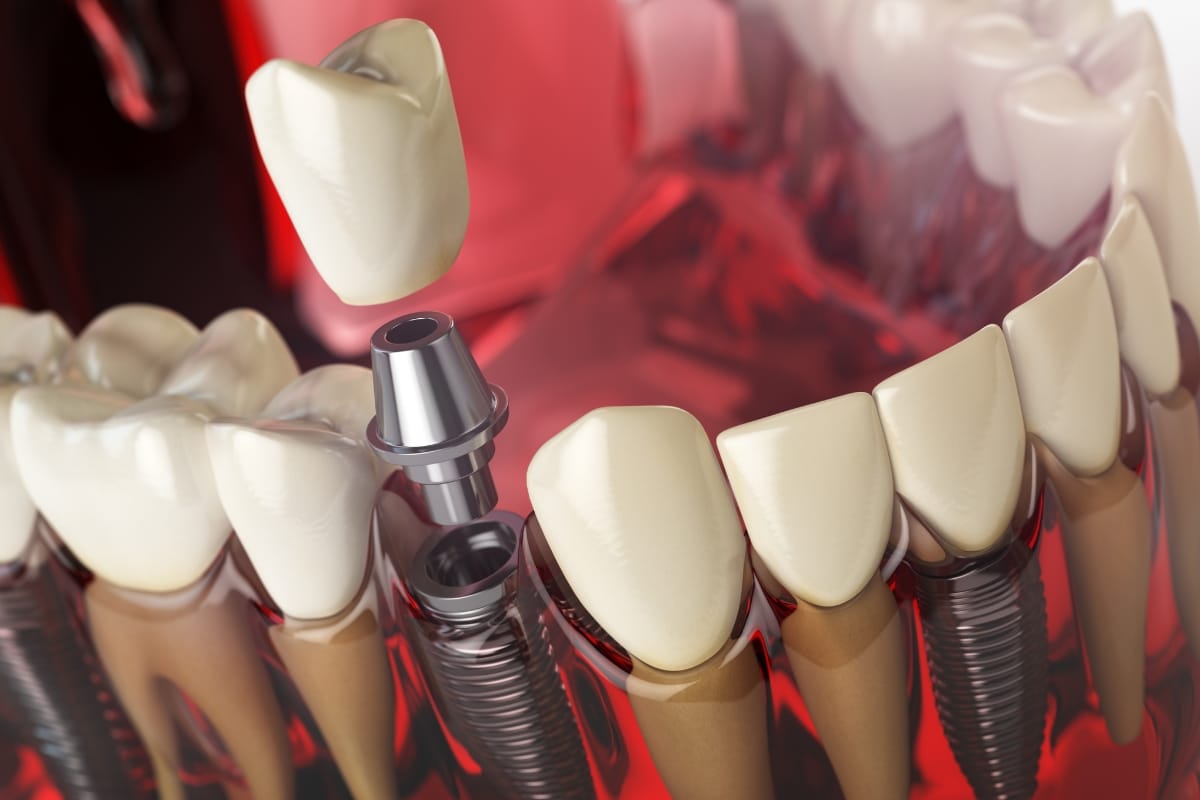
Once the implant is fully integrated, your dentist will place the abutment and crown to restore full function to the tooth. This is the final step in the process and should be relatively simple. After this placement, your dental implant will be fully restored, and you can enjoy your new, functional smile.
Long-Term Care and Maintenance
Caring for Your Dental Implants Long-Term
Proper oral hygiene is essential to ensure the longevity of your dental implants in Florence. Brush and floss regularly, paying extra attention around the implant site. Your dentist will also recommend routine dental checkups to monitor the health of the implant and surrounding tissue.
Avoid Hard Foods and Maintain Regular Check-Ups
To protect your implant, avoid chewing on hard foods like ice or sticky candy that could cause damage. Additionally, regular check-ups will help ensure that your implant remains in good condition and that any issues are addressed promptly.
The recovery process after dental implant surgery may vary depending on the individual. However, with the right care, you can enjoy long-term success. Following the outlined recovery timeline ensures that your implant heals properly and functions as intended.
If you’re in the Florence area and currently in the recovery process, or considering dental implants, schedule a consultation at Pearl Dental today. Our team will provide you with the support and care you need throughout your journey.
FAQs
1. When can I start using my new dental implant to chew normally?
After the implant is fully integrated with the bone and the final restoration is placed, you can use your implant just like a natural tooth.
2. Can I drink alcohol during the recovery process?
It’s best to avoid alcohol for the first few weeks to prevent interference with healing and medications prescribed.
3. How can I manage bleeding after dental implant surgery?
Apply gentle pressure with a gauze pad, and if bleeding persists, contact your dentist for advice.
4. Can I wear dentures while waiting for my dental implant to heal?
Yes, your dentist may recommend wearing a temporary denture during the healing phase to maintain appearance and function.
5. How long should I avoid hard foods after dental implant surgery?
Avoid hard foods for at least 4 to 6 weeks, or until your dentist advises you it’s safe to resume normal eating.